 2026-08-07

Humidity measurement is one of the most critical parameters in environmental testing, climate chambers, laboratories, manufacturing processes, and industrial quality control. Accurate humidity control directly affects product reliability, test repeatability, and production efficiency.
Traditional wet and dry bulb humidity measurement systems have been widely used for decades. However, with the increasing requirements for high precision environmental simulation, modern electronic humidity sensors, such as Vaisala humidity sensors, have become the preferred solution for advanced environmental test equipment.
This article explains the working principles of Vaisala electronic humidity sensors and compares their advantages with traditional wet and dry bulb humidity sensors.
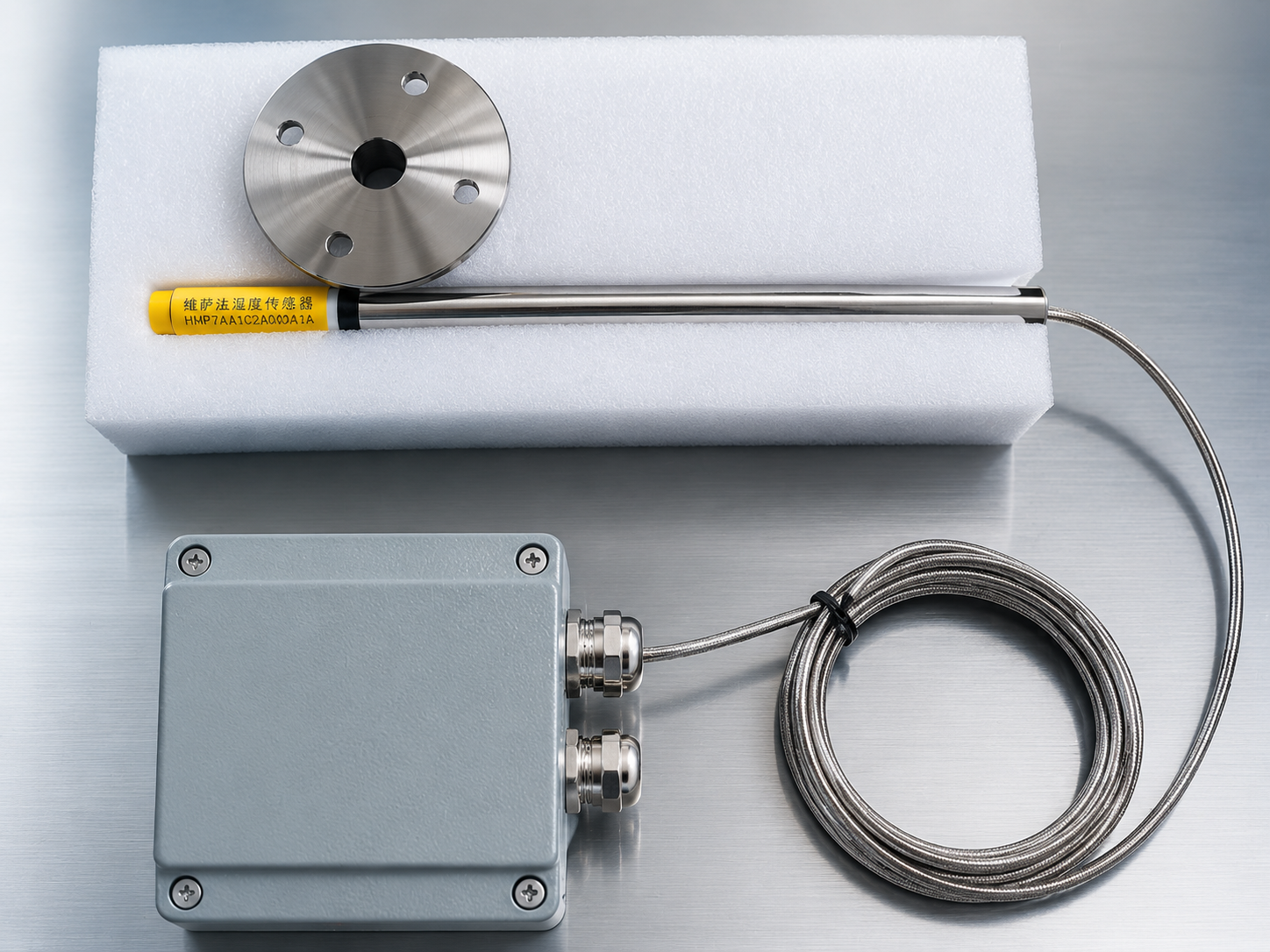
Vaisala is a globally recognized manufacturer of environmental measurement instruments, providing advanced humidity, temperature, pressure, and carbon dioxide measurement technologies.
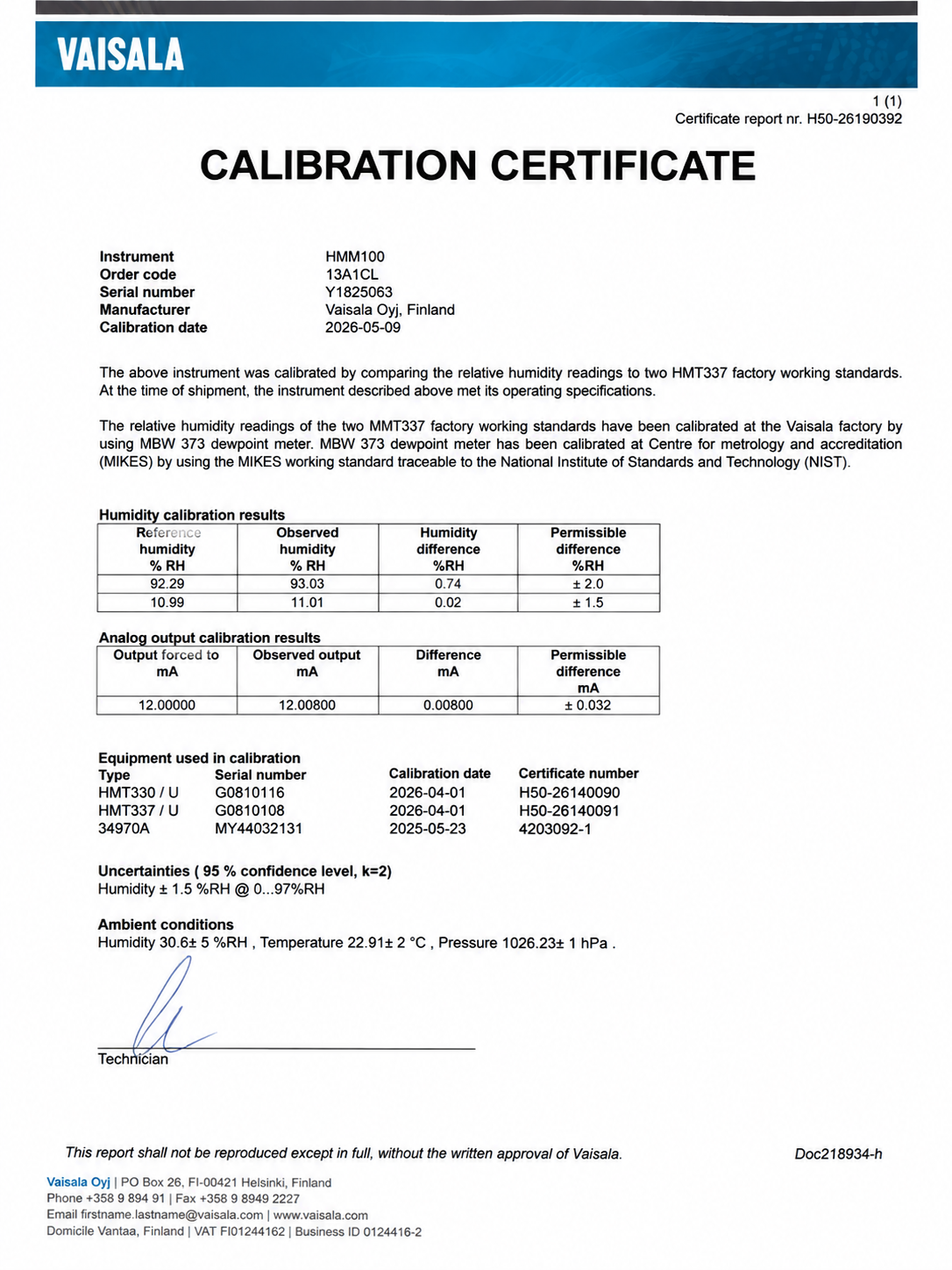
Vaisala electronic humidity sensors use advanced capacitive thin-film polymer technology to measure relative humidity (RH) with high accuracy and excellent long-term stability.
The sensor detects changes in water vapor absorption within the sensing material. The electrical properties of the sensor element change according to humidity levels, and the integrated electronics convert these changes into accurate digital or analog output signals.
Typical Vaisala humidity sensors provide:
· High measurement accuracy
· Fast response time
· Excellent repeatability
· Long-term stability
· Low maintenance requirements
· Digital communication capability
They are widely used in:
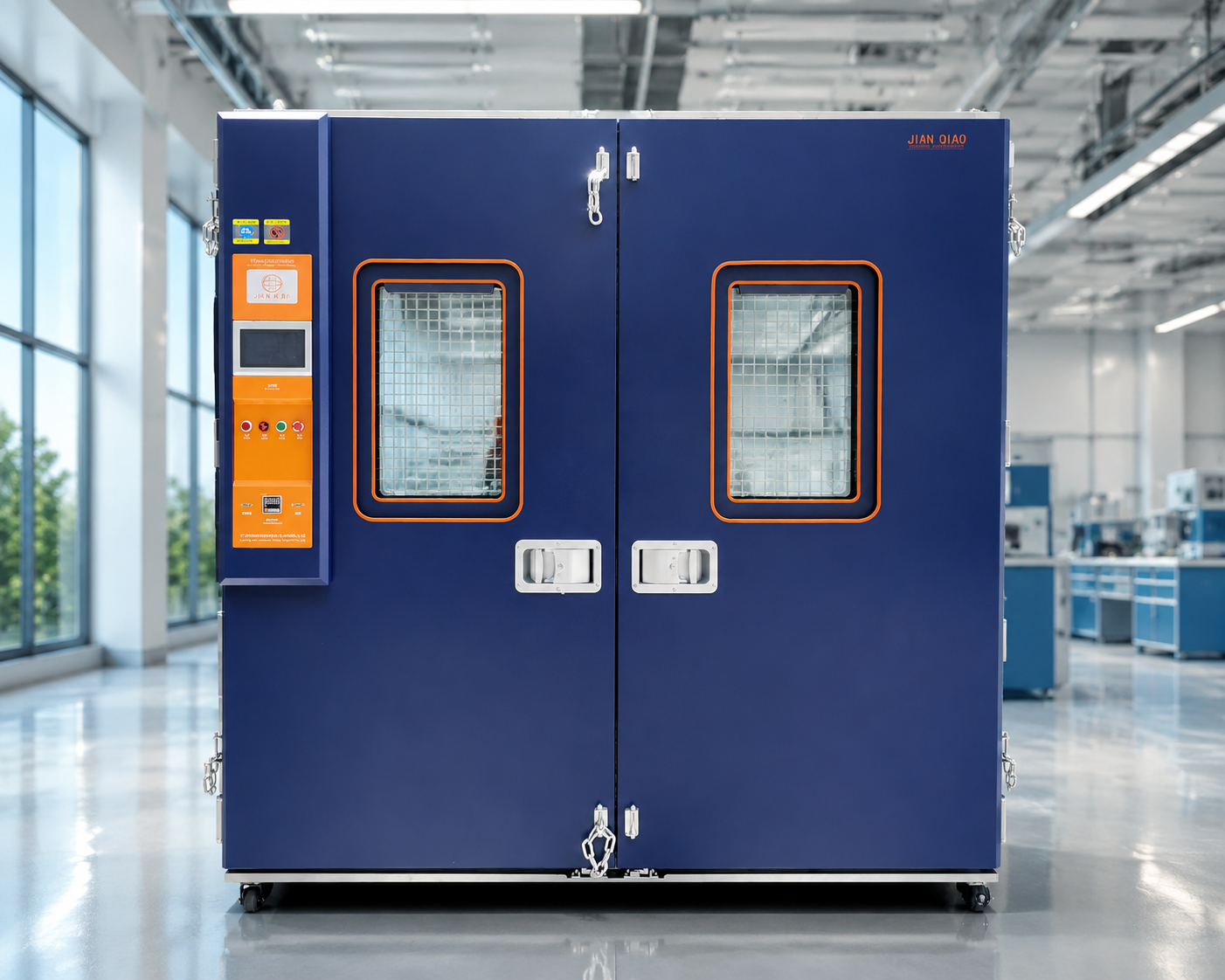
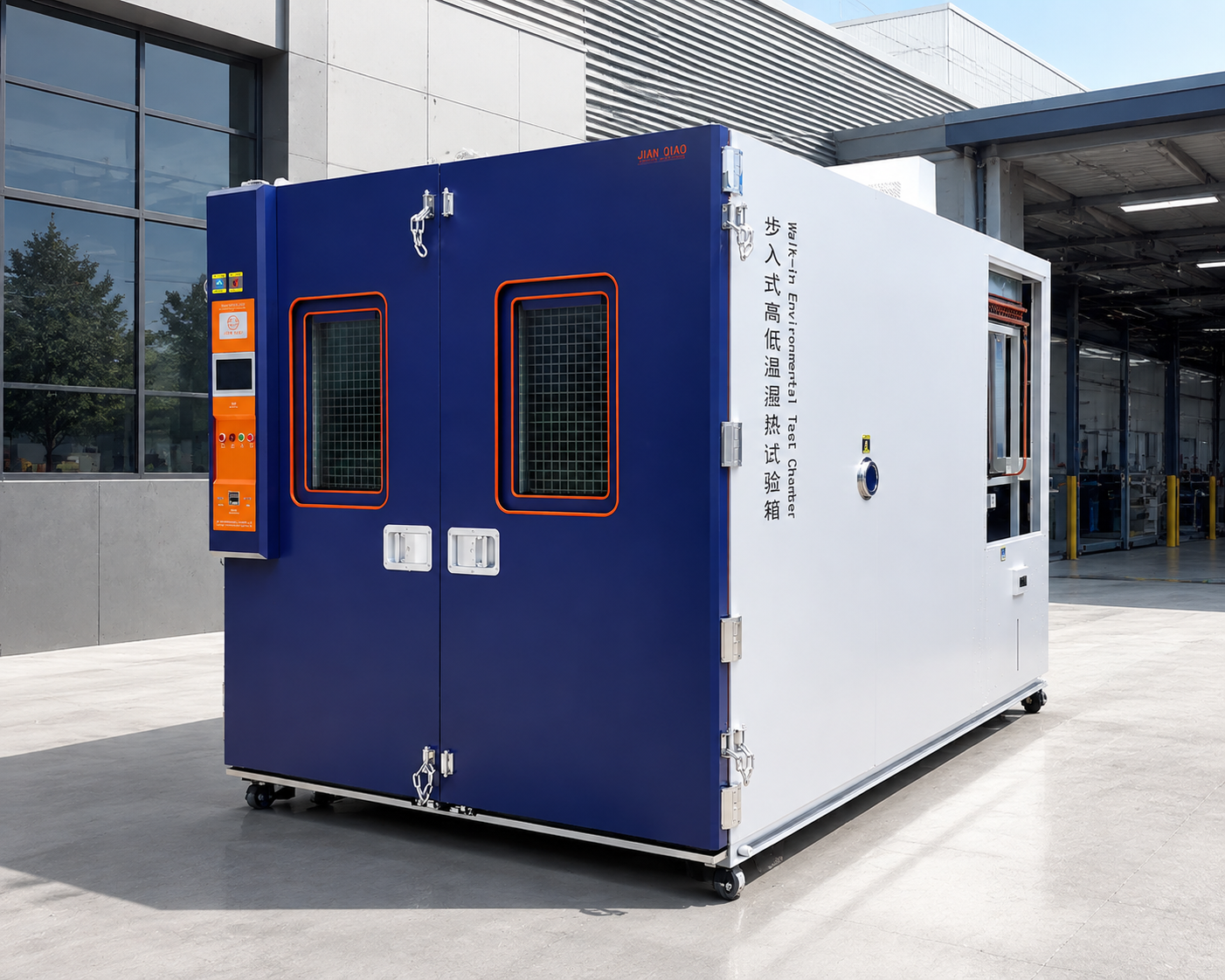
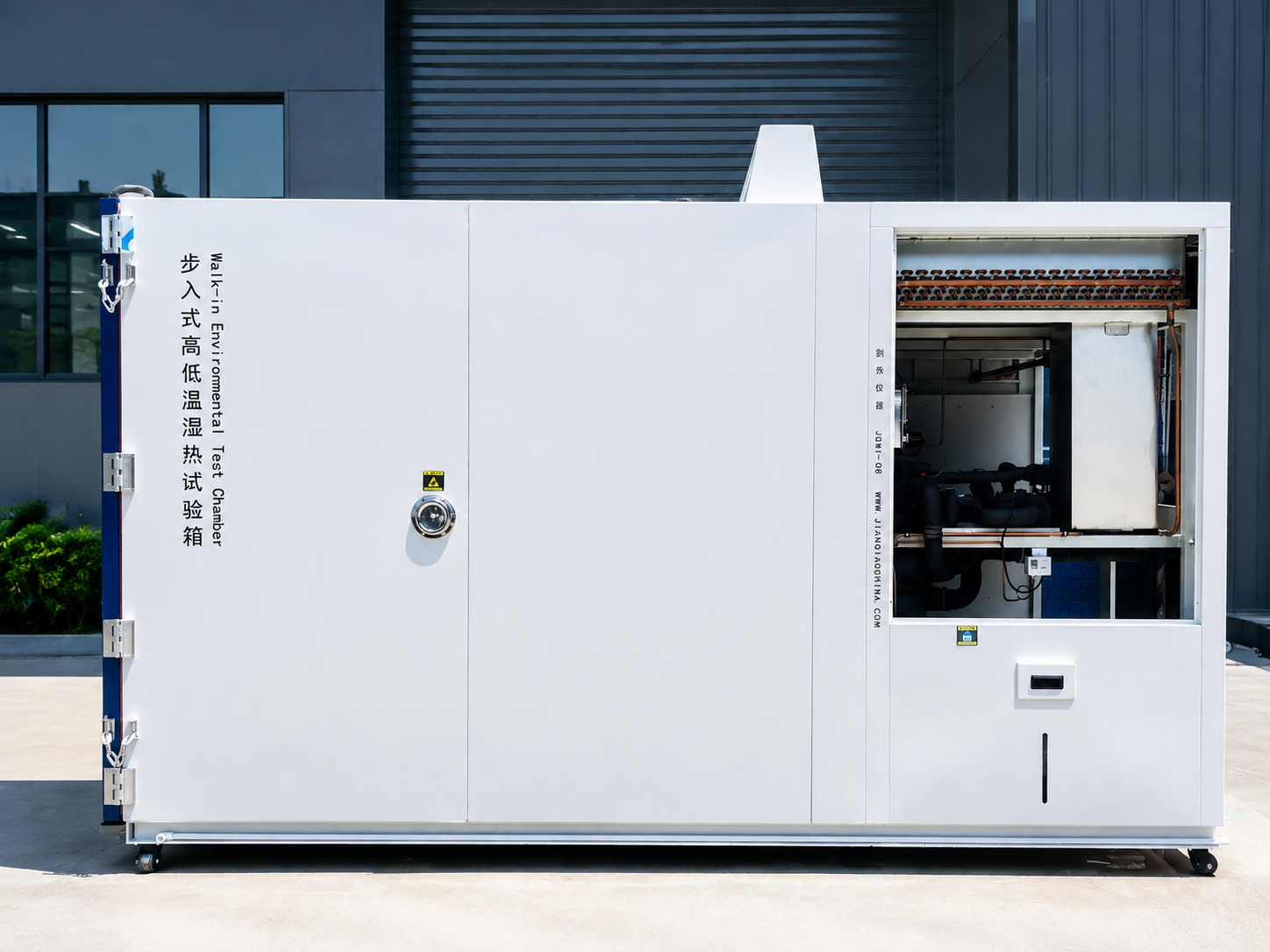
· Walk-in environmental test chambers
· Temperature and humidity chambers
· Battery testing chambers
· Pharmaceutical storage
· Semiconductor manufacturing
· Aerospace testing
· Automotive component testing
· Calibration laboratories
Electronic humidity sensors operate based on the relationship between moisture absorption and electrical characteristics.
The humidity-sensitive polymer layer absorbs water molecules from the surrounding air. As humidity changes, the dielectric properties of the material change, allowing the sensor electronics to accurately calculate relative humidity.
The measurement process is:
1. Water vapor enters the sensor element
2. The sensing material reacts to moisture changes
3. Electrical capacitance changes
4. The signal is processed by electronic circuits
5. The controller displays and regulates humidity values
This process provides continuous, real-time humidity monitoring without the need for water supply, wet wick replacement, or manual maintenance.
The wet and dry bulb humidity measurement method is a traditional psychrometric technology.
It uses two temperature sensors:
Measures the actual air temperature.
A temperature sensor covered with a wet wick. Water evaporation cools the wet bulb, creating a temperature difference between the wet bulb and dry bulb.
Humidity is calculated according to the temperature difference between the two sensors.
A larger temperature difference indicates lower humidity because more water evaporates from the wet bulb.
Comparison Item | Vaisala Electronic Humidity Sensor | Wet & Dry Bulb Humidity Sensor |
Measurement Principle | Electronic capacitive sensing technology | Evaporation cooling principle |
Accuracy | High accuracy (typically ±1% RH class available) | Lower accuracy affected by environment |
Response Speed | Fast response | Slow response due to evaporation process |
Maintenance | Almost maintenance-free | Requires regular water supply and wick replacement |
Installation | Simple installation | Requires water tank, wick, and drainage system |
Long-Term Stability | Excellent stability | Performance decreases due to contamination |
Low Temperature Testing | Excellent performance | Limited due to freezing risk |
High Temperature Testing | Suitable for wide temperature ranges | Difficult under extreme conditions |
Calibration | Easy electronic calibration | Requires complex adjustment |
Automation | Direct digital communication | Requires additional calculation system |
Environmental test chambers require precise humidity control to ensure reliable testing results.
Vaisala sensors provide high accuracy and repeatability, helping manufacturers achieve stable humidity conditions during:
· Temperature humidity cycling tests
· High and low humidity tests
· Battery environmental tests
· Reliability testing
Traditional wet and dry bulb systems depend on water evaporation, which takes time to reach equilibrium.
Electronic humidity sensors respond much faster to humidity changes, allowing environmental chambers to:
· Reach target humidity faster
· Reduce test preparation time
· Improve testing efficiency
Wet and dry bulb systems require:
· Regular water filling
· Cleaning of water tanks
· Replacement of wet cotton wick
· Prevention of mineral contamination
Electronic humidity sensors eliminate these problems and significantly reduce maintenance costs.
Modern environmental test chambers often operate under extreme conditions:
· Low temperature testing
· High temperature testing
· Rapid temperature changes
· Long-duration reliability tests
Electronic humidity sensors maintain stable performance under these challenging environments.
This makes them ideal for:
· Aerospace testing
· Military equipment testing
· New energy battery testing
· Automotive component validation
Vaisala electronic humidity sensors can communicate directly with modern chamber controllers through digital interfaces.
Benefits include:
· Real-time monitoring
· Automatic calibration
· Data recording
· Remote diagnostics
· Integration with laboratory management systems
With the development of advanced industries, customers require higher testing accuracy and better automation.
Compared with traditional wet and dry bulb humidity measurement, electronic humidity sensors provide:
✔ More accurate humidity control
✔ Faster response speed
✔ Higher reliability
✔ Easier operation
✔ Lower maintenance cost
✔ Better compatibility with intelligent control systems
For advanced environmental test equipment, electronic humidity sensing technology has become the industry trend.
In large walk-in environmental chambers, humidity accuracy directly affects test results.
Applications include:
· Automotive parts environmental testing
· Lithium battery humidity testing
· Electronic component reliability testing
· Aerospace equipment testing
· LED display aging tests
· Material durability testing
Using high-performance electronic humidity sensors ensures stable temperature and humidity conditions throughout the entire test space.
Vaisala electronic humidity sensors represent a significant improvement over traditional wet and dry bulb humidity measurement technology.
With higher accuracy, faster response, lower maintenance requirements, and excellent stability, electronic humidity sensors provide reliable humidity control for modern environmental testing applications.
For manufacturers of environmental chambers, precision humidity measurement is the key to achieving repeatable, accurate, and trustworthy test results.
Advanced humidity sensing technology helps customers test with confidence and deliver products with higher reliability.